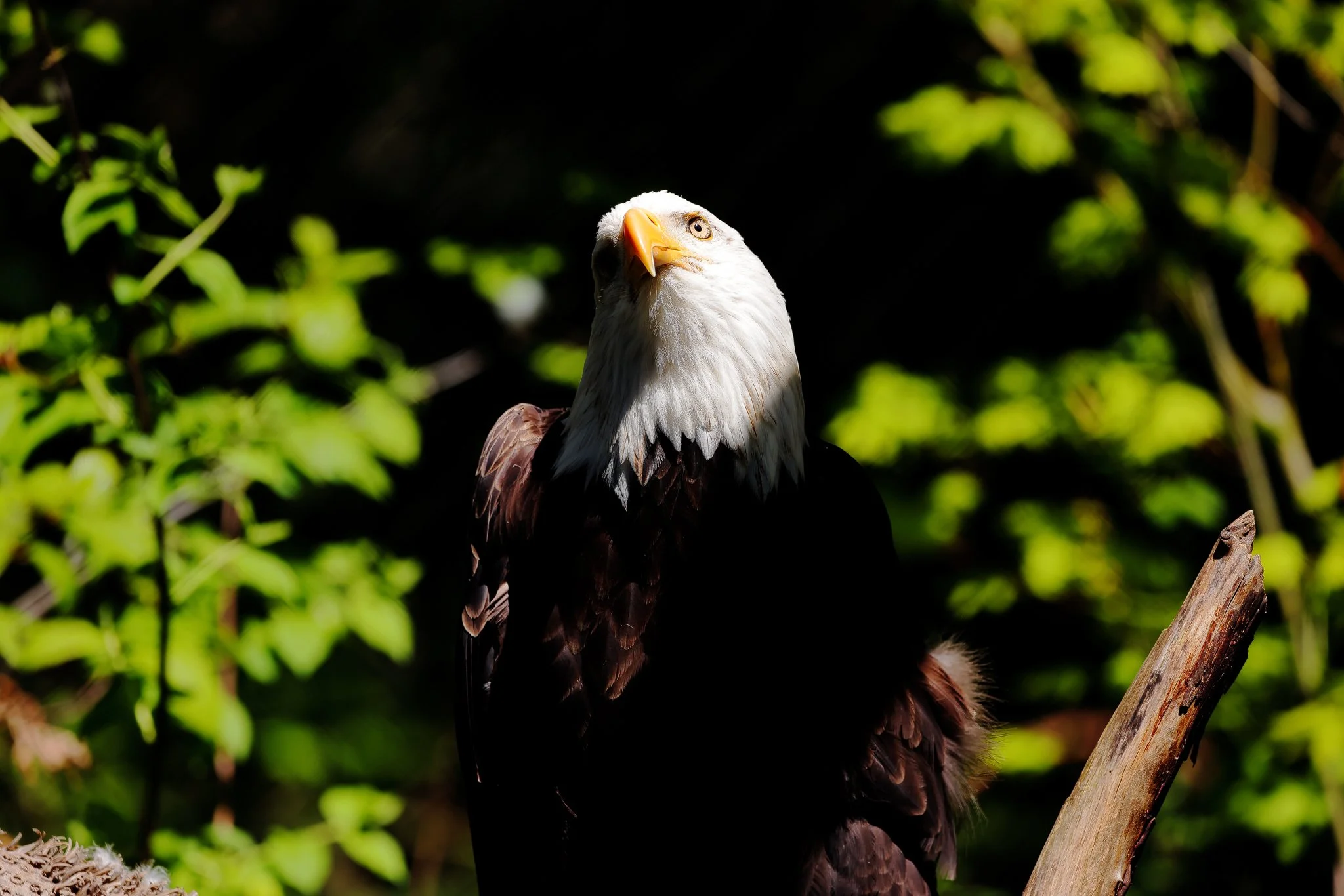
Animal portraits & nature magic
Photos by Terje Nergård NilssenWe still do not know one thousandth of one percent of what nature has revealed to us.
-Albert Einstein
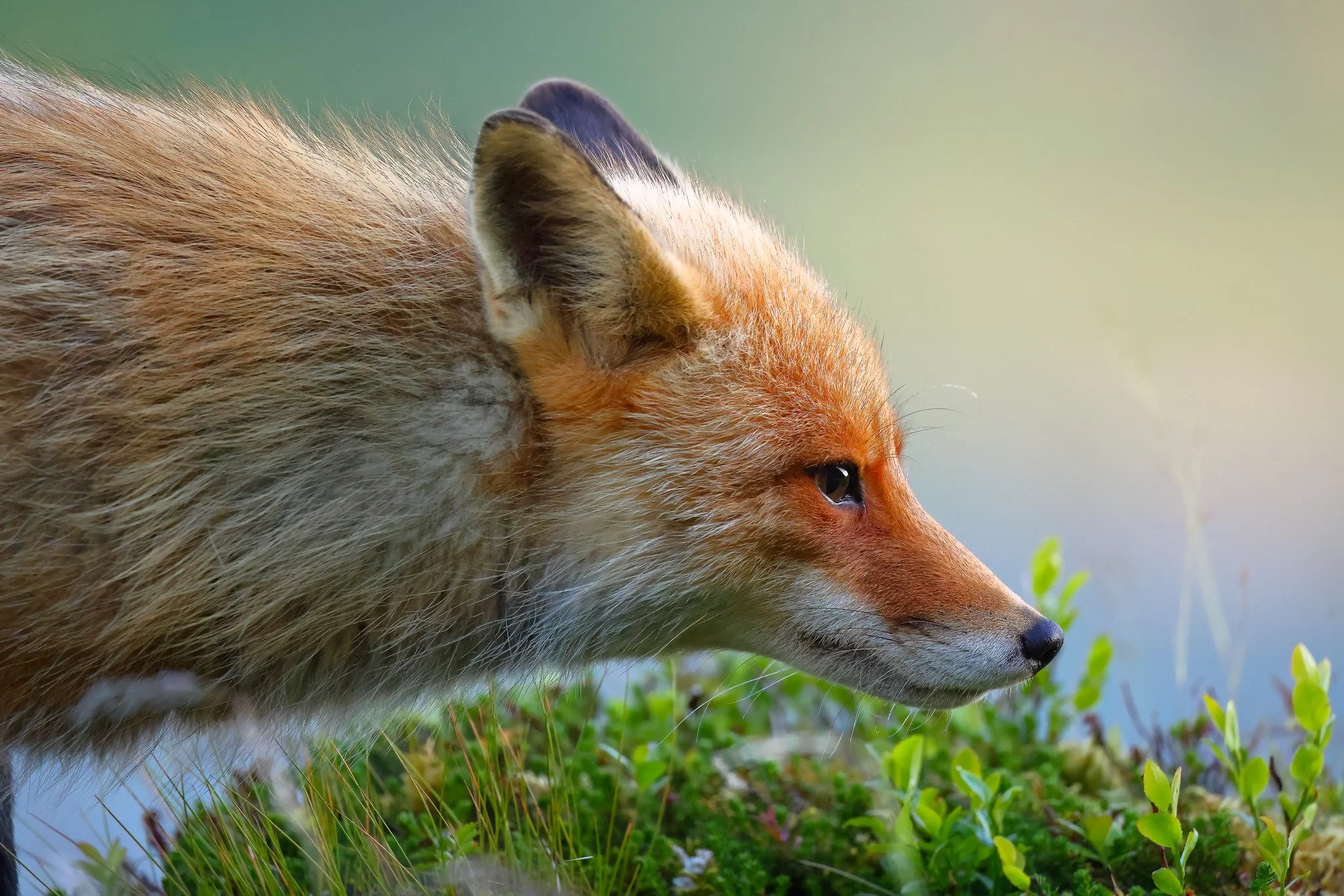

Wildlife & Landscapes

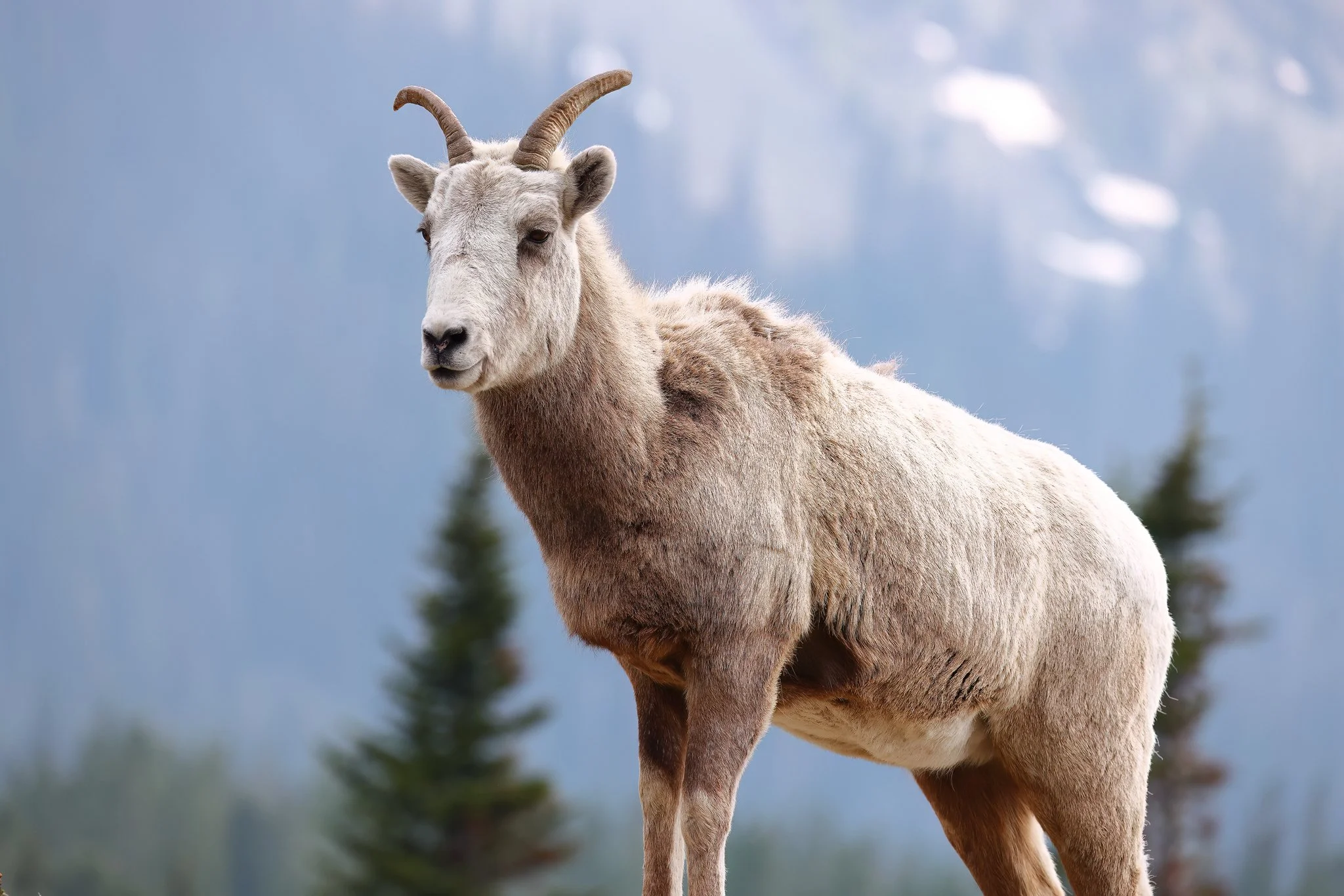
The bighorn sheep (Ovis canadensis) is a species of sheepnative to North America.It is named for its large horns. A pair of horns might weigh up to 14 kg (30 lb) the sheep typically weigh up to 143 kg (315 lb)
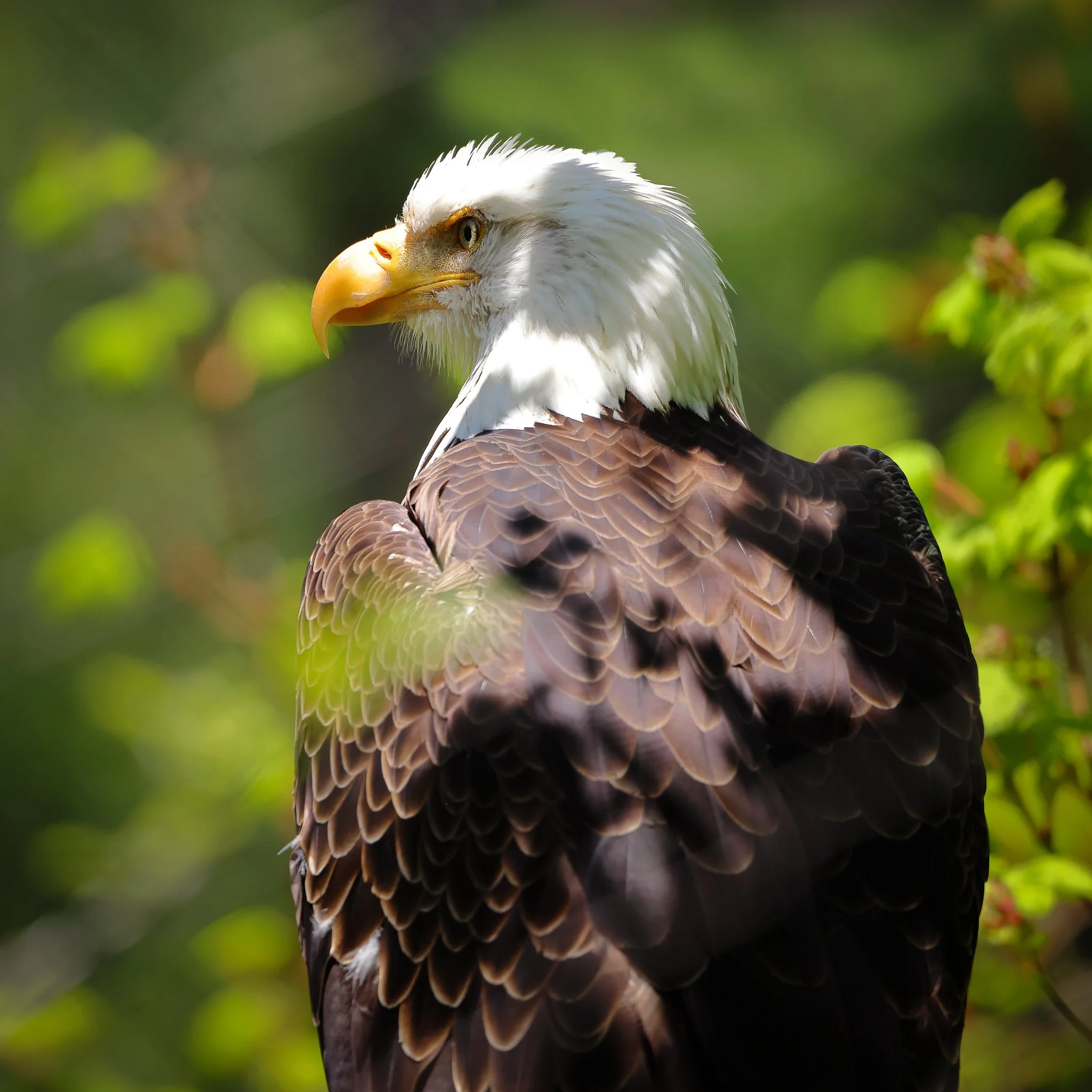
A bald eagle's white head may make it look bald. But actually the name comes from an old English word, "balde," meaning white. These graceful birds have been the national symbol of the United States since 1782.
Lofoten Islands

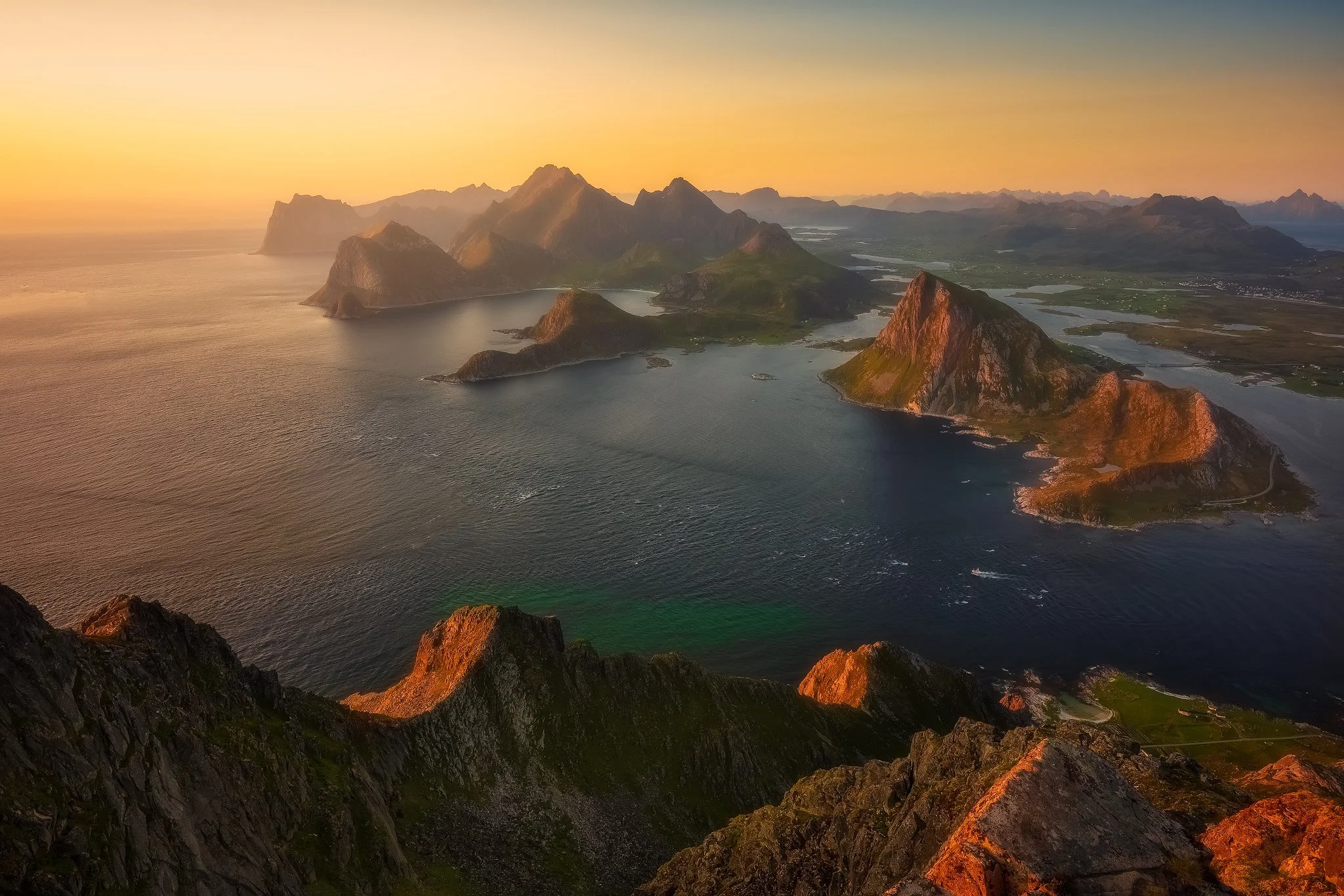
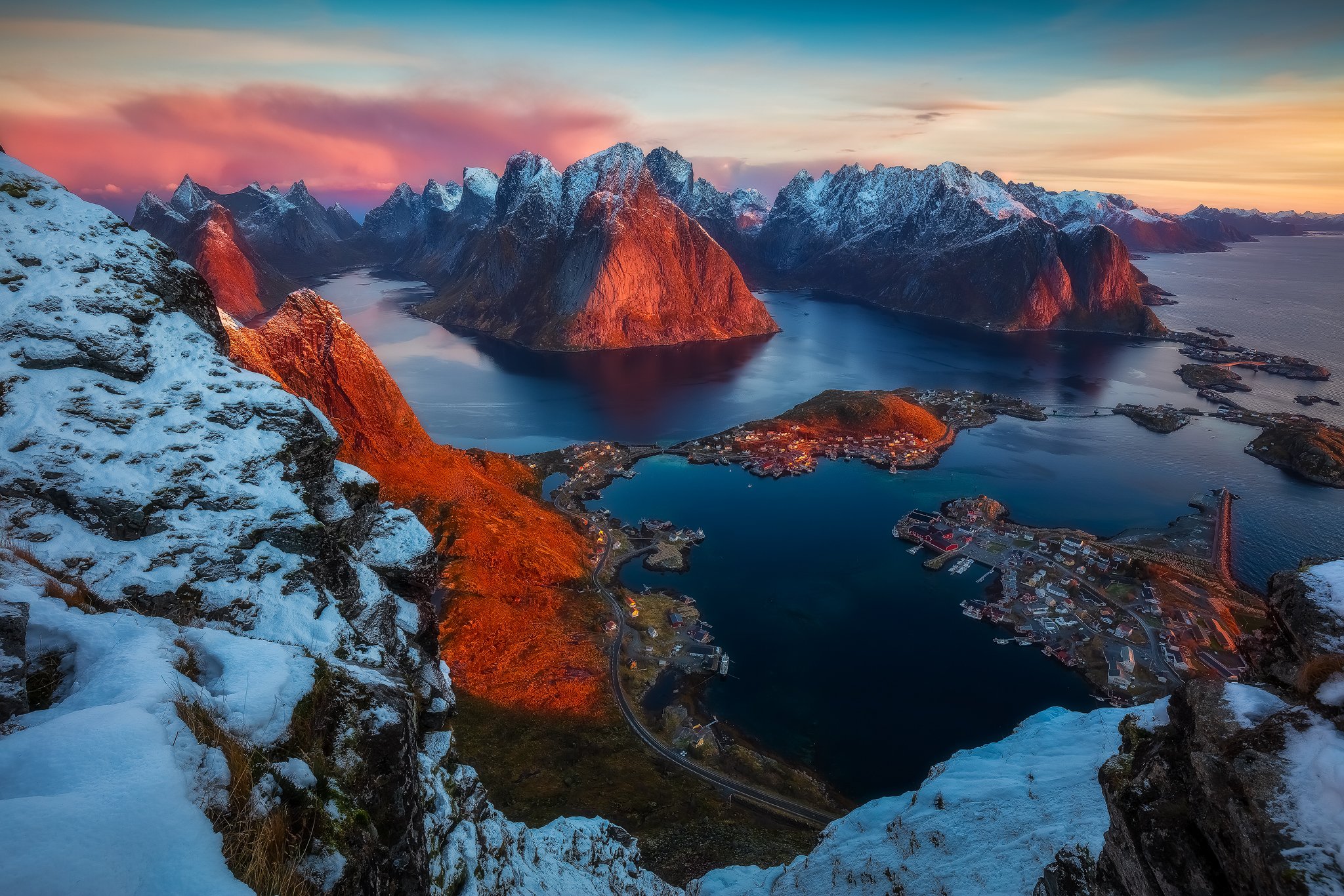
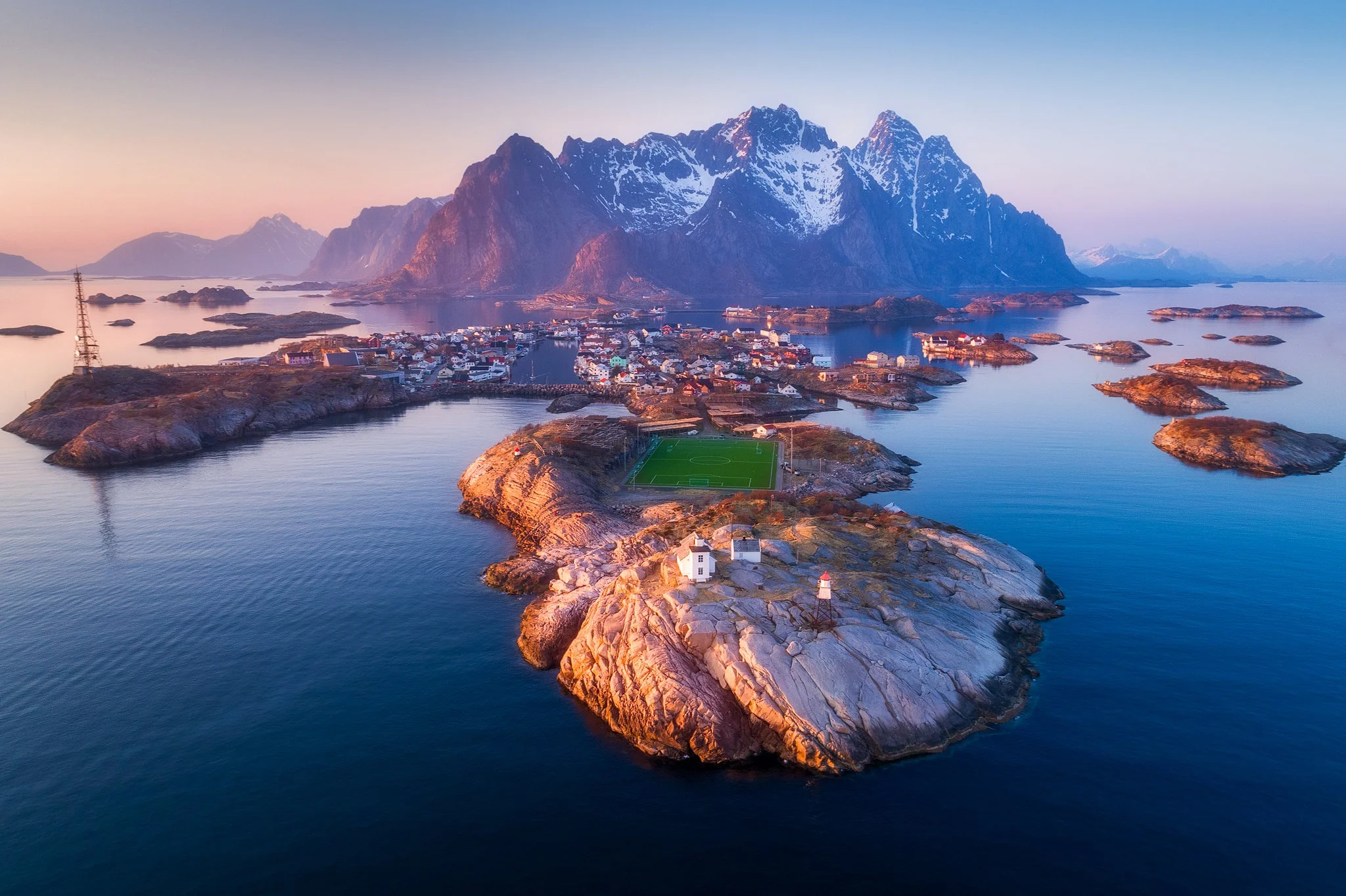
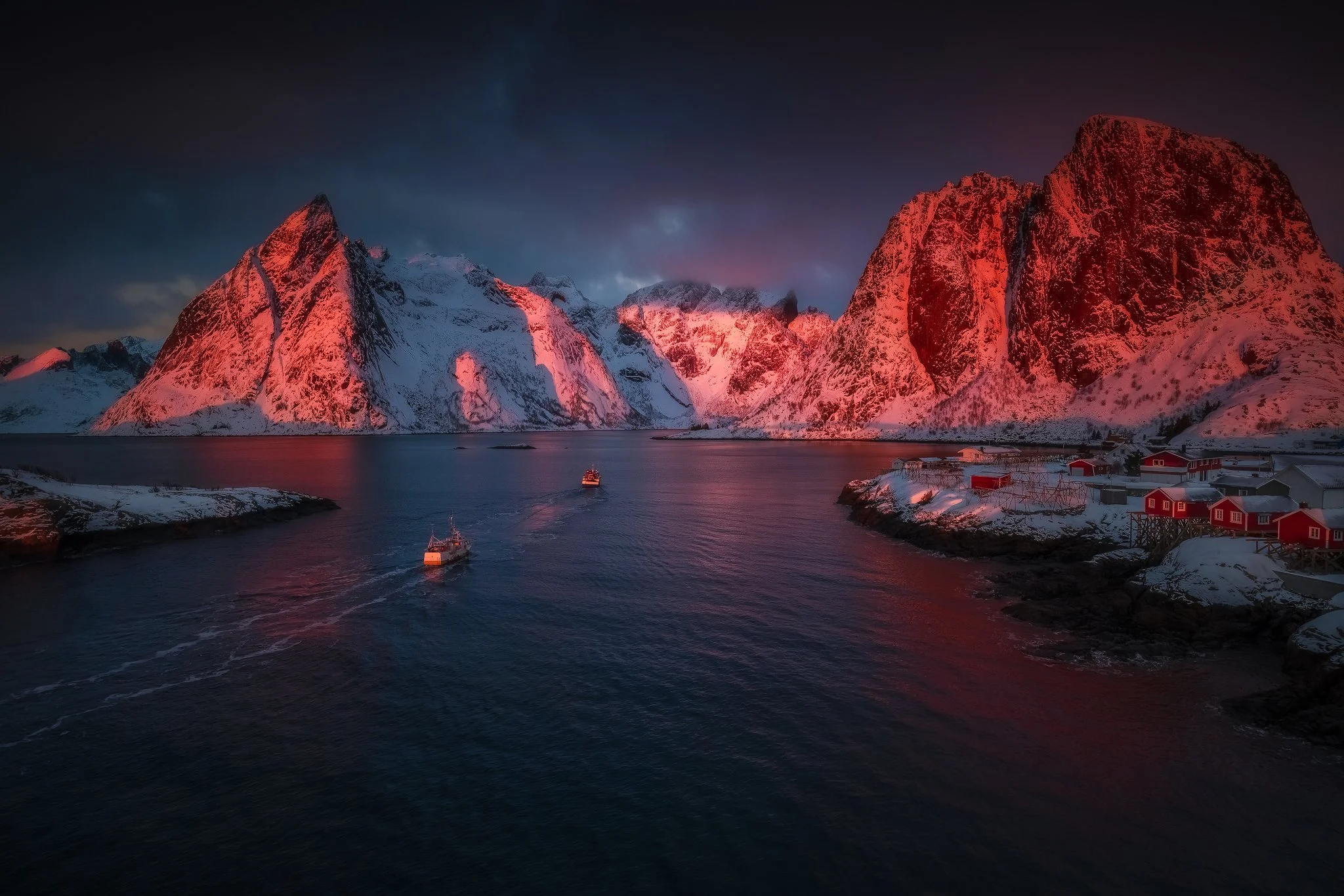
Lofoten, island group, in the Norwegian Sea, Northern Norway. Lying off the mainland entirely within the Arctic Circle, the group Comprises the southern end of the Lofoten-Vesterålen archipelago and includes five main islands (Austvågøya, Gimsøya, Vestvågøya, Flakstadøya, and Moskenesøya) extending about 70 miles (110 km) from north to south. In addition, there are many small islands and skerries (rocky islets and reefs). The total length of the archipelago is about 110 miles (175 km). A broad and deep fjord, the Vesterålsfjorden, lies between Lofoten and the mainland. The islands, composed of volcanic rocks (gneiss and granite), are the highly eroded tops of a partially submerged mountain range. The highest peak is Higravtinden (3,760 feet [1,146 metres]) on Austvågøya. North of the Arctic Circle, the islands are washed by the warm North Atlantic Current, which tempers their climate.
The Lofoten have been continuously inhabited since at least 1120, when King Øystein built a church and lodgings for fishermen near Kabelvåg, on Austvågøya. Fishing has always been predominant, and until the late 19th century, when tourists arrived on the islands, it was almost the only economic activity. Cod, along with some haddock, are the principal catch. During the spawning season, from February through April, thousands of people from all over the Norwegian west coast come to the area to land and process the Cod catch. Stockfish from Lofoten, dried in the winter wind and sun without the use of salt, have been exported for centuries. Local industries are related to fishing (cod-liver-oil processing and fertilizer manufacture from fish parts). Some potatoes and berries are grown, but the scanty soils will not support even the hardiest grains.

Svalbard Archipelago
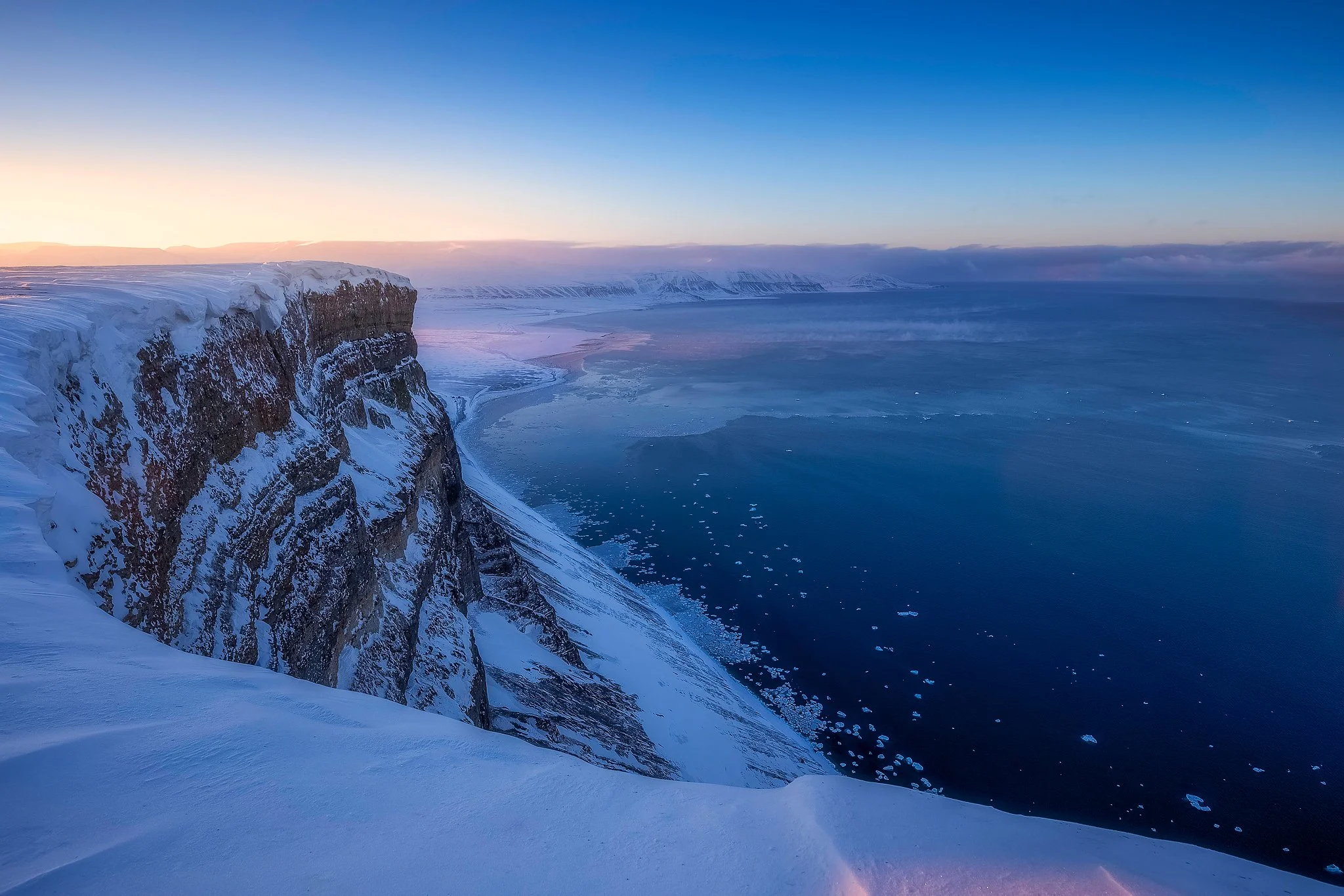
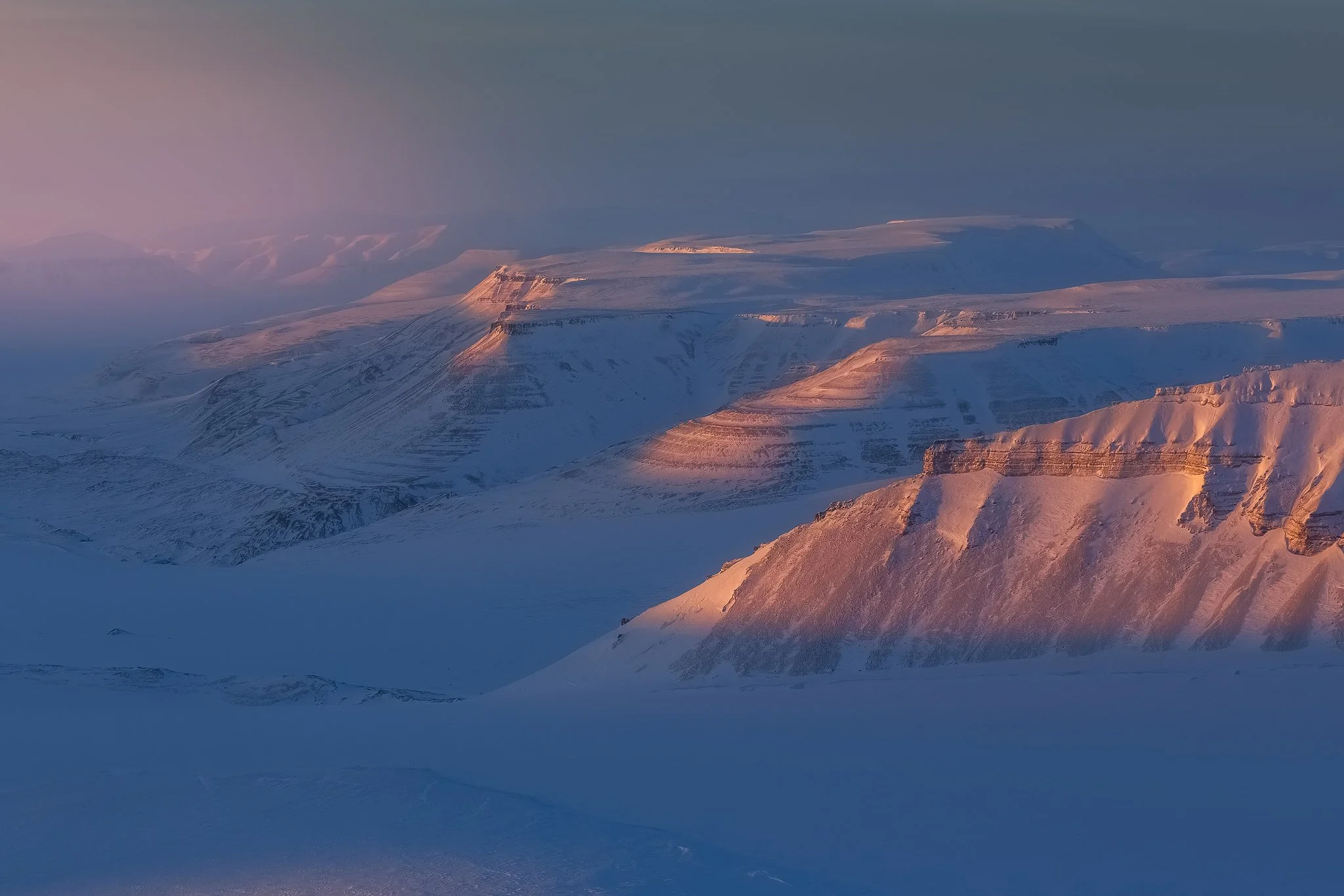
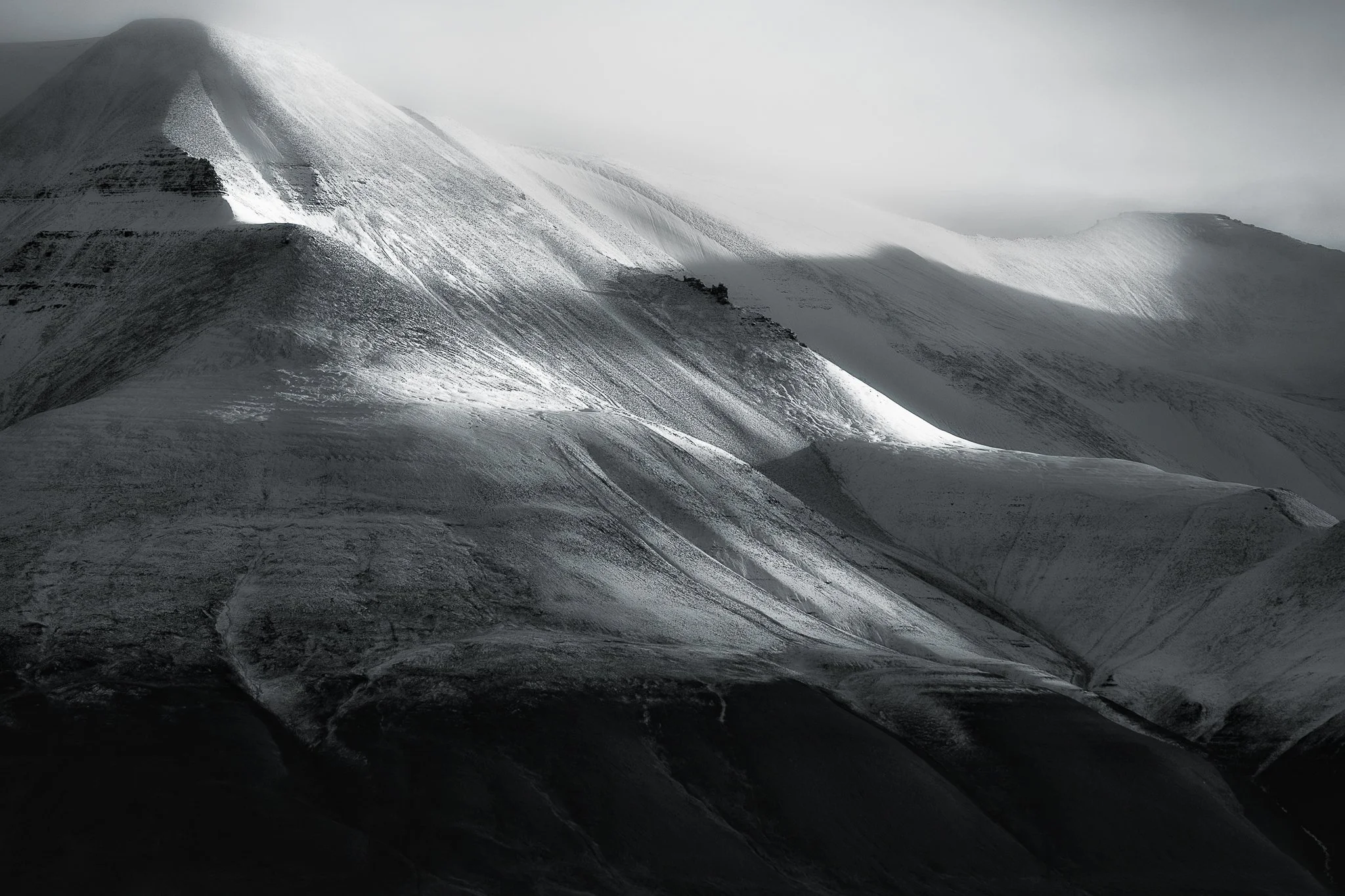
Svalbard, (Old Norse: “Cold Coast”) archipelago, part of Norway, located in the Arctic Ocean well north of the Arctic Circle. The islands lie between longitude 10° and 35° E and latitude 74° and 81° N, about 580 miles (930 km) north of Tromsø, Norway. The archipelago is composed of nine main islands: Spitsbergen (formerly West Spitsbergen), North East Land, Edge Island, Barents Island, Prins Karls Foreland, Kvit Island (Gilles Land), Kong Karls Land (Wiche Islands), Bjørn (Bear) Island, and Hopen. The total area of Svalbard is 24,209 square miles (62,700 square km). Spitsbergen, the largest island, is 15,075 square miles (39,044 square km).
According to the Islandske Annaler (“Icelandic Annals”), Svalbard was discovered in 1194, but it remained unknown to the modern world until rediscovered by the Dutch explorers Willem Barents and Jacob Van Heemskerck in June 1596. Dutch and English whalers arrived as early as 1611, followed by French, Hanseatic, Danish, and Norwegian whalers whose quarrels over whaling rights resulted in the division of the coast. The Russians arrived about 1715.

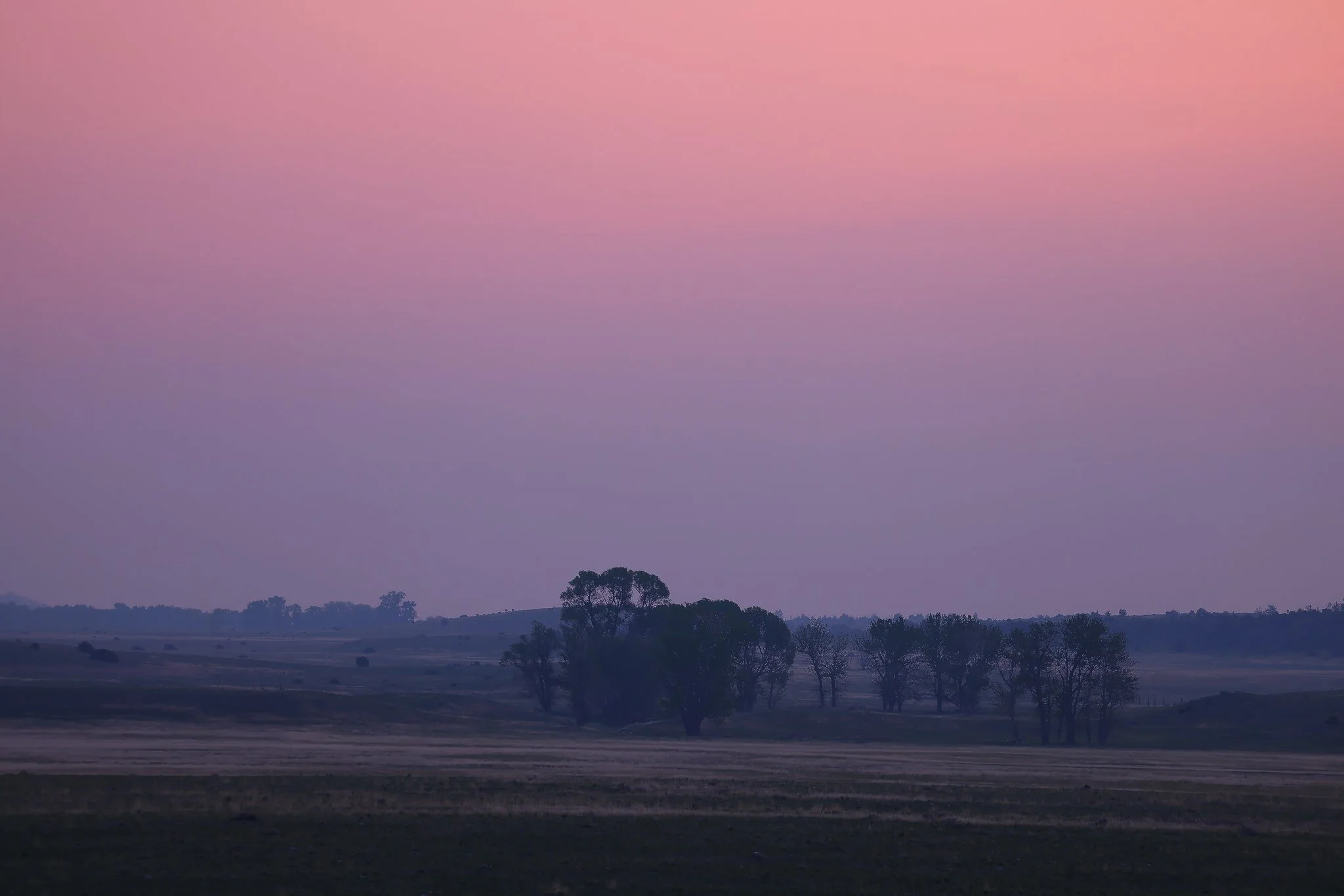
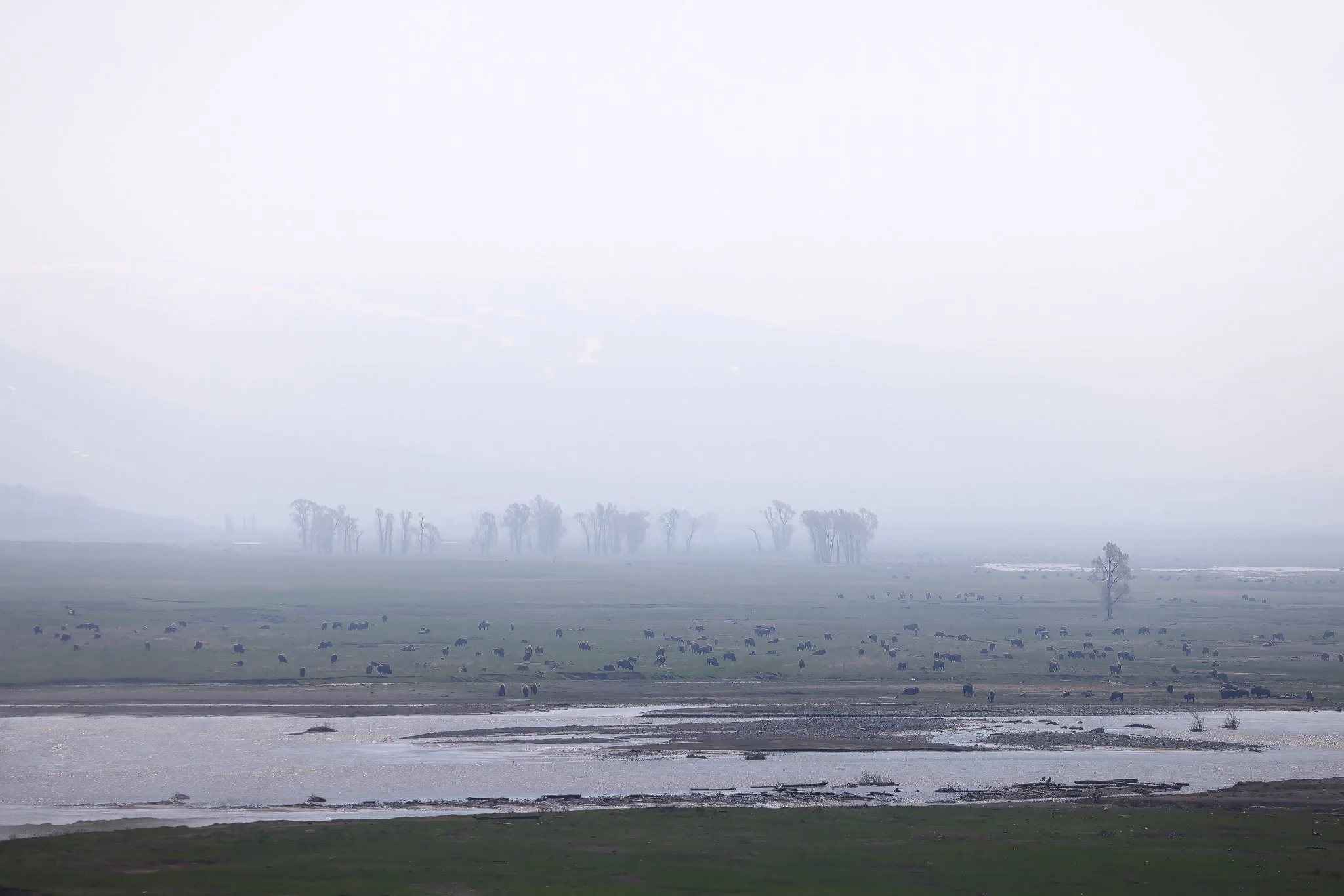
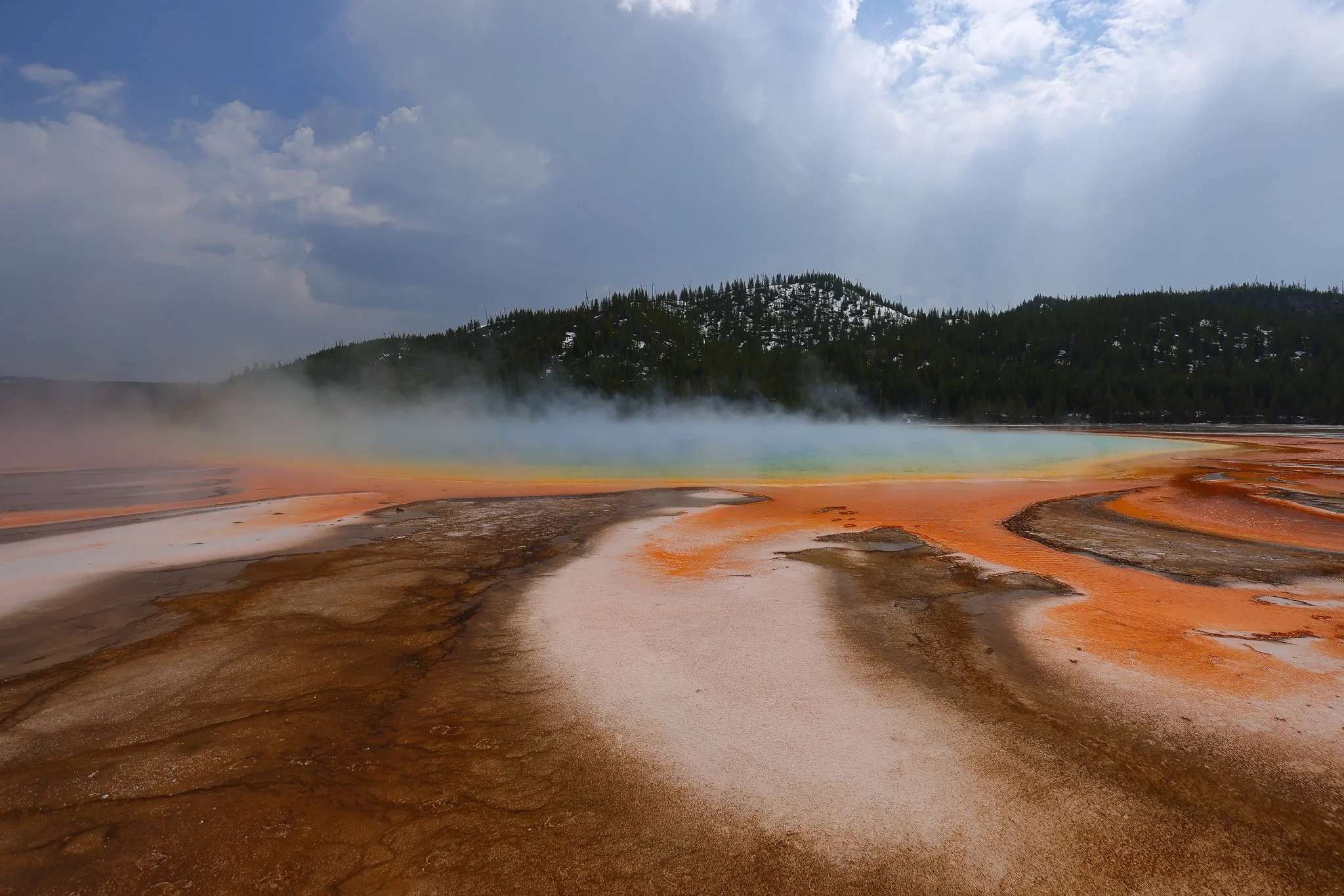
Yellowstone National Park is a national park located in the western United States, largely in the northwest corner of Wyoming and extending into Montana and Idaho. It was established by the 42nd U.S. Congress with the Yellowstone National Park Protection Act and signed into law by President Ulysses S. Grant on March 1, 1872.Yellowstone was the first national park in the U.S. and is also widely held to be the first national park in the world.The park is known for its wildlife and its many geothermal features, especially the Old faithful geyser, one of its most popular.While it represents many types of biomes, the subalpine forest is the most abundant. It is part of the South Central Rockies forest ecoregion.